Thinking About Staining Your Concrete? Let's Get Real.
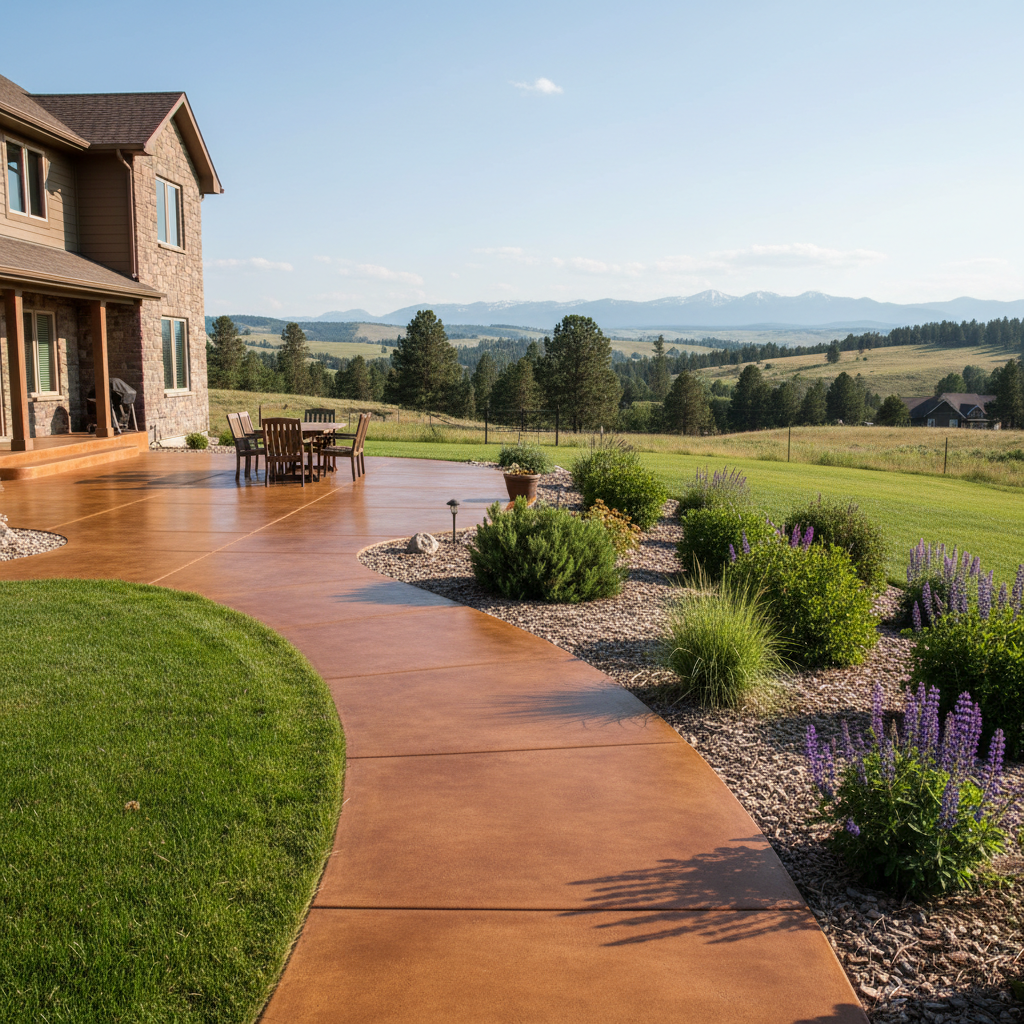
So, you're looking at concrete staining. Maybe it's that old, drab patio out back, or a basement floor that just needs a facelift. It's a great way to add some serious curb appeal or transform an indoor space without tearing everything out. But before you get too far down the road, you need a plan. I've seen enough projects go sideways because folks didn't know what to expect. Let's talk about how to make sure yours goes right.
Your Concrete Staining Timeline: What to Expect
People always ask me about timelines, and it's never a one-size-fits-all answer. But I can give you a good idea of the stages involved. First off, if you're thinking about staining, you're likely looking at a few weeks from initial contact to project completion, depending on how busy contractors are and the size of your job.
- Initial Consultation & Quote (1-2 weeks): You'll call a few places, we'll come out, take a look, talk about what you want, and give you a quote. This isn't just about price; it's about making sure we're on the same page about the look you're going for.
- Scheduling (1-4 weeks): Once you pick a contractor (hopefully us at Top Line Concrete!), you'll get on the schedule. Good contractors are busy, especially during our short Billings construction season, so don't expect next-day service.
- Surface Preparation (1-2 days): This is crucial and often underestimated. We're talking about deep cleaning, grinding, fixing cracks, and making sure the concrete is perfectly ready to accept the stain. If this isn't done right, the stain won't look good or last.
- Stain Application (1-2 days): This is where the magic happens. Depending on the type of stain (acid-based or water-based) and the desired effect, it might involve multiple coats.
- Sealing & Curing (1-3 days): After the stain, we apply a sealer to protect it. Then, it needs time to cure. You won't be walking on it or moving furniture back right away. Patience is key here.
So, from start to finish, you're usually looking at anywhere from 3 to 8 weeks, with the actual work on site taking 3-5 days. Factor in weather delays too; we can't stain in the rain or when it's too cold, which is a real consideration here in Montana.
What Happens During the Staining Process?
Alright, so you've signed the contract, and we're ready to roll. What's it actually going to look like when we're on your property?
First, we'll protect everything. If we're inside, we're taping off walls, covering cabinets, and laying down plastic to make sure no stain gets where it shouldn't. Outside, we'll protect nearby landscaping and structures. Stains can be messy, and we don't want to leave you with more work.
Then comes the prep work I mentioned. This is probably the most labor-intensive part. We're cleaning, degreasing, and often using a grinder to open up the concrete's pores. If there are old coatings, paint, or anything else on the surface, it all has to come off. We'll also fix any cracks or spalling. This step dictates how well the stain penetrates and how uniform the color will be.
Once the surface is clean and dry, we apply the stain. This can be sprayed, brushed, or rolled, depending on the type of stain and the desired effect. If you're going for a mottled, natural look, we might use an acid stain. If you want more consistent color, a water-based stain might be the choice. We might do multiple passes to build up the color. It's an art as much as a science, especially trying to get a consistent look across different pours of concrete, which is common in older Billings homes.
Finally, after the stain dries, we apply a sealer. This protects the stain from wear, UV rays, and moisture. It also often enhances the color. Then, we let it cure. We'll give you specific instructions on when you can walk on it, when you can put furniture back, and how to clean it.
How to Prepare Your Home for Concrete Staining
You've got a role to play too! Making sure your space is ready helps us work efficiently and keeps your project on track.
- Clear the Area: This is huge. Move all furniture, plants, grills, storage bins, anything on the concrete surface we're staining. If it's a basement, clear out the whole room. We need a completely empty space to work.
- Address Moisture Issues: If you have any ongoing leaks or moisture problems, especially in a basement, get those fixed *before* we start. Stains won't adhere properly to wet concrete, and you'll just be wasting your money.
- Trim Landscaping: For outdoor patios, trim back any bushes or plants that are right up against the concrete. It gives us room to work and protects your greenery from overspray.
- Provide Access: Make sure we have clear access to the work area. If we need water or electricity, know where those hookups are.
- Communicate: If you have any specific concerns or things you want us to be aware of, tell us upfront.
Questions to Ask Before You Sign That Contract
Don't just pick the cheapest bid. This is your home, and you want it done right. Here are some questions you should definitely be asking any contractor you're considering:
- What type of stain are you recommending (acid, water-based, dye) and why? There are different types, and each has pros and cons for color, durability, and cost. Understand what you're getting.
- What's your process for surface preparation? This is the most critical step. Ask about cleaning, grinding, crack repair, and if they'll test for existing sealers.
- How many coats of stain and sealer do you typically apply? More coats often mean better color depth and protection.
- What kind of sealer do you use, and what's its expected lifespan? Different sealers offer different levels of protection and shine. Ask about maintenance requirements.
- What's your warranty on the work? A reputable contractor will stand behind their work.
- Can I see some examples of your past staining projects? Pictures are good, but if they can point you to a local project you can drive by, even better.
- Are you licensed and insured? Never, ever hire someone who isn't. Protect yourself.
- What's the estimated timeframe for the project, including curing? Get a clear understanding of when you can use the space again.
Asking these questions will help you sort out the pros from the guys just trying to make a quick buck. A good contractor will be happy to answer them all. You want someone who's transparent, experienced, and committed to doing a quality job. That's what we strive for every day here at Top Line Concrete, and it's what you should expect for your home.