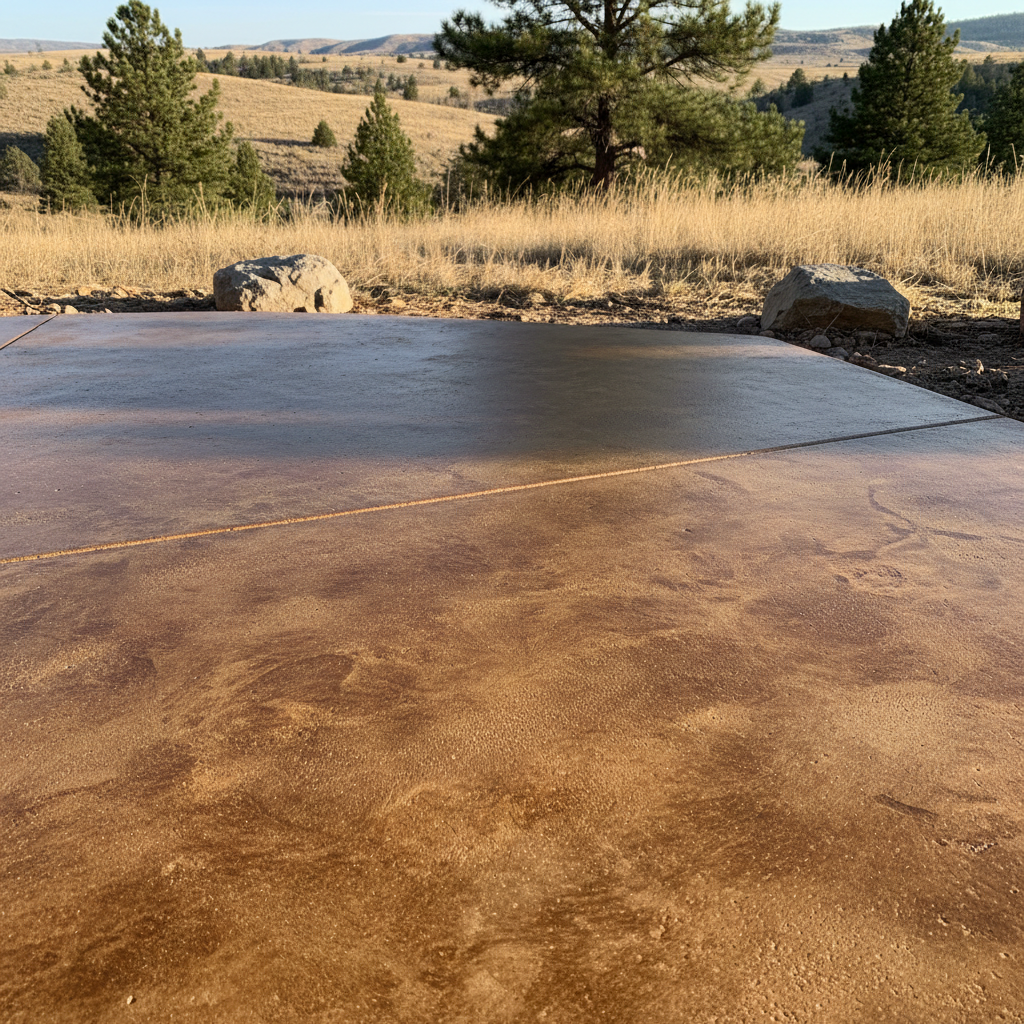
You've seen those gorgeous stained concrete floors or patios, right? Maybe you're thinking, 'Hey, I could do that!' And you know what? For some folks, you absolutely can. But it’s not always as simple as slapping on some paint. Here in Billings, with our crazy weather and sometimes unpredictable soil, you gotta know what you're getting into. Let's talk about staining your concrete, what's involved, and when it's time to pick up the phone instead of a brush.
Before You Even Think About Staining
First things first: what kind of concrete are we talking about? Is it new, old, indoors, outdoors? This makes a huge difference. If it's a brand-new slab, you'll need to let it cure properly – usually at least 28 days, sometimes longer depending on the mix and conditions. Don't rush it, or your stain won't take right. If it's an older slab, you've got to assess its condition. Are there cracks? Pitting? Old paint or sealers? Stains don't hide imperfections; they often highlight them. So, if your concrete looks like a war zone, staining might not be the magic bullet you're hoping for without some serious prep work first.
Next, think about the look you're going for. There are two main types of stains: acid-based and water-based. Acid stains react chemically with the minerals in the concrete, creating a translucent, mottled, earthy look – think browns, tans, and some greens or blues. It's unique every time, which is cool, but also means you have less control over the exact shade. Water-based stains, on the other hand, are more like a pigment that sits on the surface and soaks in. They offer a much wider range of colors and more consistent results. If you want a vibrant red or a solid gray, water-based is probably your best bet. If you're after that rustic, aged look, acid stain is the way to go.
The DIY Line: When You Can Do It Yourself
Okay, so you've got a relatively clean, sound concrete surface, and you're feeling ambitious. Here's what's typically manageable for a motivated DIYer:
- Small, indoor, unsealed concrete areas: Think a small laundry room floor, a pantry, or a shed. These are good starting points because they're protected from the elements and usually don't see heavy traffic.
- Water-based stains: These are generally more forgiving than acid stains. They're easier to apply, clean up, and you don't have to worry about neutralizing acids. You can use a sprayer, roller, or even a brush.
- Basic prep work: If your concrete just needs a good scrub and maybe some light degreasing, you can handle that. A pressure washer for outdoor surfaces works wonders, but be careful not to damage the concrete itself.
The key here is preparation. Seriously, 80% of a good staining job is the prep. You need to clean that concrete until it's spotless. Any dirt, grease, oil, or old sealer will prevent the stain from penetrating evenly, and you'll end up with splotches. And trust me, once it's stained, it's a pain to fix.
When to Call in the Big Guns (Like Top Line Concrete)
Alright, so when should you wave the white flag and call a professional? Here’s my honest take:
- Large outdoor areas or high-traffic zones: A big patio, a driveway, or a commercial space. These require consistent application over a large area, often with specialized sprayers, and they need a durable sealer that can stand up to our Billings winters and hot summers. If you mess up a small laundry room, it's one thing. Mess up a 1,000 sq ft patio, and you're looking at a much bigger headache.
- Acid staining: While some DIYers tackle it, acid staining is trickier. The chemical reaction is unpredictable, and getting an even, consistent look takes practice. Plus, you're dealing with acids, which require proper safety gear and neutralization steps.
- Concrete repair is needed: If your slab has significant cracks, spalling, or uneven surfaces, it needs professional repair before staining. Trying to patch and stain yourself often results in patches that stick out like a sore thumb. We've got the tools and expertise to make those repairs blend in so the stain looks good.
- Existing sealers or coatings: If your concrete has an old sealer, paint, or epoxy coating, it all has to come off completely. This usually means grinding or shot blasting, which are not DIY-friendly jobs.
- You want a specific, complex design: Stenciling, multiple colors, or intricate patterns are definitely pro territory.
Even if you're doing a DIY job, I always recommend using a high-quality sealer afterward. It protects your beautiful new stain from wear and tear, UV rays, and moisture. For outdoor concrete, especially around here where we get freeze-thaw cycles that can really beat up a slab, a good sealer is non-negotiable. You'll want to reapply it every few years, too, depending on traffic and exposure.
Look, concrete staining can totally transform a space, adding character and value. If you've got a small, clean area and you're willing to put in the elbow grease for prep, go for it with a water-based stain. But if you're looking at a big project, an acid stain, or a slab that needs some serious TLC, don't hesitate to give us a call at Top Line Concrete. We do this stuff every day, and we can make sure your concrete looks fantastic and lasts for years to come.