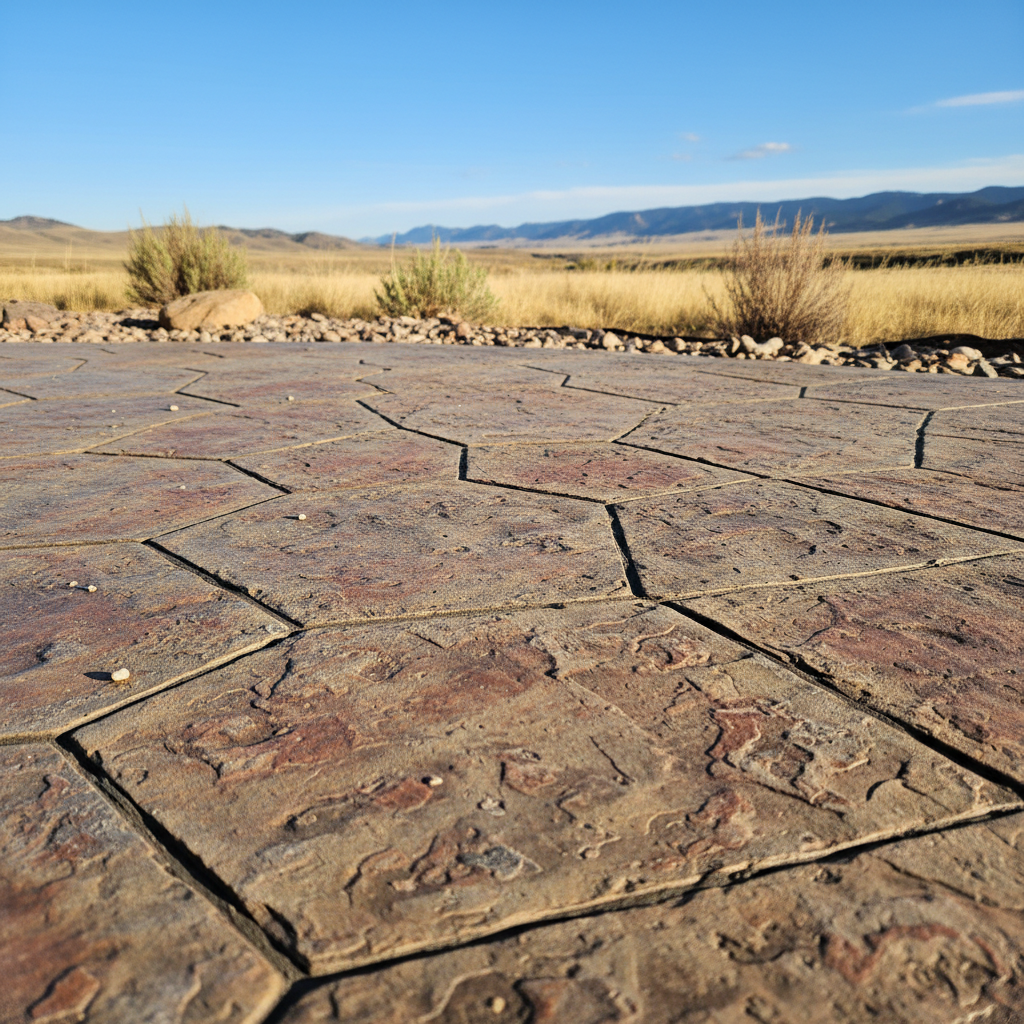
Let us talk about decorative concrete. You have seen decorative concrete around Billings. Those patios look like stone. Driveways have a subtle color. You can also see polished floors inside. Decorative concrete is a great way to add curb appeal to your home as well as value to your home. It does this without breaking the bank like natural stone or tile. Before you jump in, there are a few things you need to understand. It is not just pouring concrete and calling it a day.
Before You Start: Planning Your Decorative Concrete Project
First, we need to talk about what kind of decorative concrete we are even talking about. There are many options out there for decorative concrete. We are not just talking about stamped concrete. We have covered stamped concrete before. You have colored concrete where the pigment is mixed right in. It can also be applied to the surface. Then there are overlays. These are thin layers applied over existing concrete. They give it a new look as well as a new texture. Polished concrete gives you that sleek, modern, high-gloss finish. Exposed aggregate reveals the natural stones and pebbles in the mix. This creates a textured, slip-resistant surface.
Your first big decision is figuring out what you want your decorative concrete to look like. You also need to decide where it is going. Is it an outdoor patio that needs to stand up to our harsh Montana winters? Or is it an indoor floor? This choice dictates a lot about the materials as well as the methods you will use for your decorative concrete project in Billings.
DIY or Pro? Be Realistic About Your Skills
This is where many homeowners get into trouble with decorative concrete. Some small decorative concrete projects can be DIY-friendly. Most larger or more complex jobs are best left to us pros. Pouring concrete, especially decorative concrete, is physically demanding. It is also time-sensitive. It requires precision. Our team at Top Line Concrete understands these demands.
- What you might tackle yourself: You might tackle small, simple projects. This could be a stepping stone path. You might also do a concrete countertop overlay if you are really handy. If you are just looking to clean and reseal an existing decorative surface, that is definitely a DIY job for your decorative concrete in Billings.
- When to call Top Line Concrete: You should call Top Line Concrete for anything involving pouring a new slab. This is especially true if it is a driveway, a large patio, or a foundation. Decorative overlays require specific textures or patterns. Intricate coloring or polishing are also usually pro territory. Mistakes in mixing, leveling, or curing can lead to costly failures. These failures include cracking or delamination. They are much more expensive to fix than hiring a pro in the first place. In addition, we have the right equipment as well as the experience. This ensures a quality result for your decorative concrete that lasts in Billings.
Even for smaller DIY projects, you will need to rent or buy tools. These tools include a mixer, screed, and floats. You might also need a power washer. Factor those costs into your budget for your decorative concrete project.
During the Project: Getting the Job Done Right
Whether you are doing it yourself or hiring us, surface preparation is very important. We cannot stress this enough. A decorative concrete overlay, for instance, is only as good as the surface it is applied to. Our team at Top Line Concrete makes sure this step is done correctly.
Preparation is Key
For any new pour of decorative concrete, you have to prepare the subgrade properly. This means removing topsoil. It also means compacting the base. Compacting the base is especially important with our clay soils here in Billings. You also need to make sure you have proper drainage. Shifting soil beneath the slab can cause cracking down the line for your decorative concrete.
If you are applying an overlay to existing decorative concrete, you need to inspect the surface for structural integrity. This includes cracks, uneven areas, or damage. Any issues need to be fixed first. Then, it is all about cleaning and profiling. You need to get rid of any dirt, grime, sealers, or other impurities. This ensures the new material bonds properly. This often involves pressure washing at least 3,000 PSI. It also involves mechanical profiling like grinding or shot blasting. This creates a rough surface for adhesion of the decorative concrete in Billings.
Application and Curing
This is the technical part of decorative concrete. For new pours, it is about getting the mix right. Then it is about pouring it evenly. After that, you screed and float the concrete. Then you apply any colors or textures at the right time. Curing is just as important. It is not just letting it dry. Proper curing helps the concrete reach its full strength. It also prevents cracking. This can involve keeping the concrete damp. You can also use curing compounds for your decorative concrete.
After the Project: Maintenance and Longevity
You have your beautiful new decorative concrete. Now, how do you keep it looking good for years? Regular maintenance is important for decorative concrete.
Cleaning and Sealing
You will want to sweep or vacuum regularly. This removes dirt and debris from your decorative concrete. For spills, clean them up quickly with a damp mop and a neutral pH cleaner. Avoid harsh chemicals like bleach or ammonia. These can damage the sealer on your decorative concrete. Top Line Concrete recommends careful cleaning.
Sealing is probably the most important maintenance step for decorative concrete. This is especially true for outdoor decorative concrete. A good sealer protects against stains as well as abrasion as well as weathering. For outdoor decorative concrete, like a patio, you will typically need to reseal every 18-24 months. Before resealing, you will need to clean the surface thoroughly. This often involves a pressure washer. You also need to make sure it is completely dry. Choose the right type of sealer. Some are solvent-based. Others are water-based. They do not always mix. Top Line Concrete can help you with sealer choices for your Billings decorative concrete.
Winter Care in Billings
Here in Billings, winter can be tough on concrete. Avoid using salt and de-icers on your decorative concrete. They can break down the protective seal. Also, be careful with metal shovels or snow removal tools. These can scratch or chip the surface of your decorative concrete. Our team at Top Line Concrete wants your decorative concrete to last.
Decorative concrete is a fantastic investment for your home. It adds beauty as well as durability. Just remember to plan carefully. Also, know your limits on DIY. In addition, commit to regular maintenance. If you are ever unsure, or if the project feels too big, do not hesitate to give Top Line Concrete a call. We are here to make sure your decorative concrete project in Billings is done right and lasts.