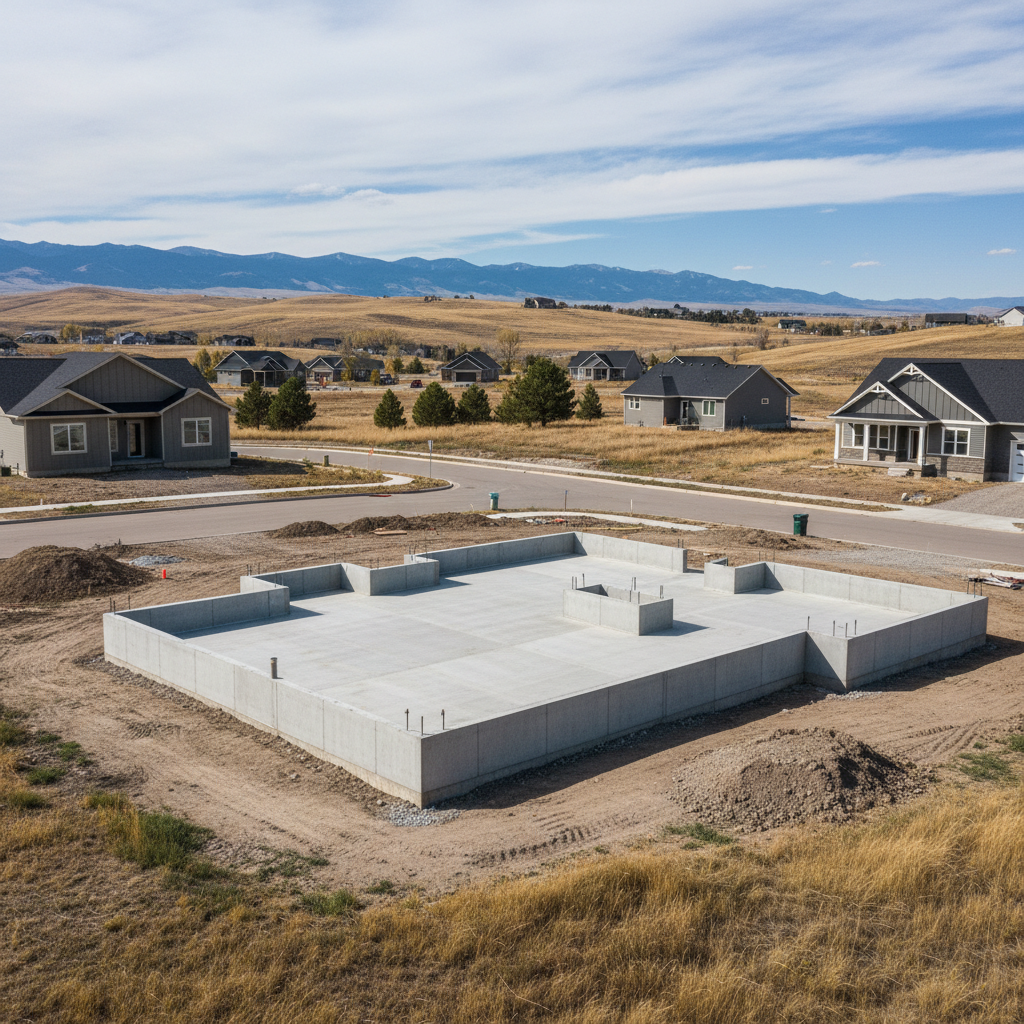
Planning a new garage, a home addition, or even a full custom house right here in Billings? You're probably picturing floor plans, picking out finishes, maybe even dreaming about that sweet new kitchen island. But hold on a minute. Before any of that fun stuff, you absolutely have to get the foundation right. And let me tell you, in a place like Billings, "right" means understanding a few things that folks in other parts of the country just don't ever have to worry about.
Why Foundations in Billings Are Different
It's not just about pouring concrete and calling it done. Our unique climate and geology here in Yellowstone County throw some real curveballs. We've got those brutal freeze-thaw cycles that can really put a ton of stress on a slab or a basement wall. You'll see it in older neighborhoods, like the South Side, where some of those original foundations have really taken a beating over the decades if they weren't built with our weather in mind. The ground heaves, it settles, and if your foundation isn't designed to handle that constant movement, you're going to face problems down the line — cracked walls, uneven floors, even serious structural damage. Nobody wants that.
Then there's the soil. We've got a mix of everything from expansive clays to sandy loams, depending on if you're closer to the river or up on the Rimrocks. Expansive clay soils, in particular, are a huge headache if you don't know how to deal with them. They swell when wet and shrink when dry, and that constant motion can put incredible pressure on a foundation. You can't just dig a trench and pour. You need proper site preparation, maybe even specialized footings or deeper foundations, to ensure stability. I've seen too many projects where someone tried to cut corners, and it always ends up costing more in repairs later than it would have to do it right the first time. Every single time.
Common Projects and What They Need
When you look at common projects around Billings, the foundation requirements really vary a lot. A new detached garage, for instance, might need a really sturdy slab-on-grade foundation with thickened edges. You want to make sure that slab is properly reinforced and has good drainage around it to prevent water from undermining it. For a home addition, you're often tying into an existing foundation, which is a whole different challenge. You've got to match depths, account for settling, and make sure the new structure connects smoothly with the old one without causing new stress points. It's not just about pouring concrete; it's about engineering a solution that works with what's already there.
Basement foundations, especially for new homes, are another beast entirely. You're dealing with deeper excavations, waterproofing, and making sure water drains away properly to keep that Montana moisture out. We often recommend specific drainage systems and damp-proofing techniques because, let's be honest, we get some serious snowmelt and heavy rains. You don't want a damp, musty basement, or worse, a flooded one. Getting the grade right around the foundation is also key — directing water away from your home is simple but often overlooked, which is a shame.
Why Local Expertise Isn't Optional
This is where local expertise really shines. You can hire a contractor from out of state, or someone who's only done work in milder climates, but they won't have the same understanding of Billings' specific challenges. They won't know about the typical soil conditions in the Heights versus the West End, or the best practices for dealing with our extreme temperature swings. They might not even be familiar with local building codes, which were written to address these very issues.
At Top Line Concrete, we've been pouring foundations here for years. We know what works, what doesn't, and why. We understand that a foundation isn't just a structural element; it's the bedrock of your entire project. We've seen the good, the bad, and the ugly, and we've learned from every single job. When you're investing in a new structure, you want a foundation that's going to last, one that can stand up to everything a Billings winter and summer can throw at it. Don't gamble with the most important part of your build. Get someone who knows the lay of the land, literally, and can help you feel confident that your project is starting on the strongest possible footing.
Planning Your Foundation Project
So, what should you do if you're planning a project that needs a new foundation? First, don't rush it. Take the time to understand what's involved. Get a soil report if you're doing a significant build; it's worth every penny. Talk to contractors who have a proven track record in Billings. Ask them about their approach to site prep, reinforcement, and drainage. A good contractor won't just give you a price; they'll explain why they're doing things a certain way, especially when it comes to dealing with our local conditions.
Remember, a solid foundation isn't just about supporting your structure; it's about protecting your investment. It's about making sure your home or garage stays stable and free from costly problems for decades to come. Don't underestimate the importance of getting it right from day one, especially here in Billings.