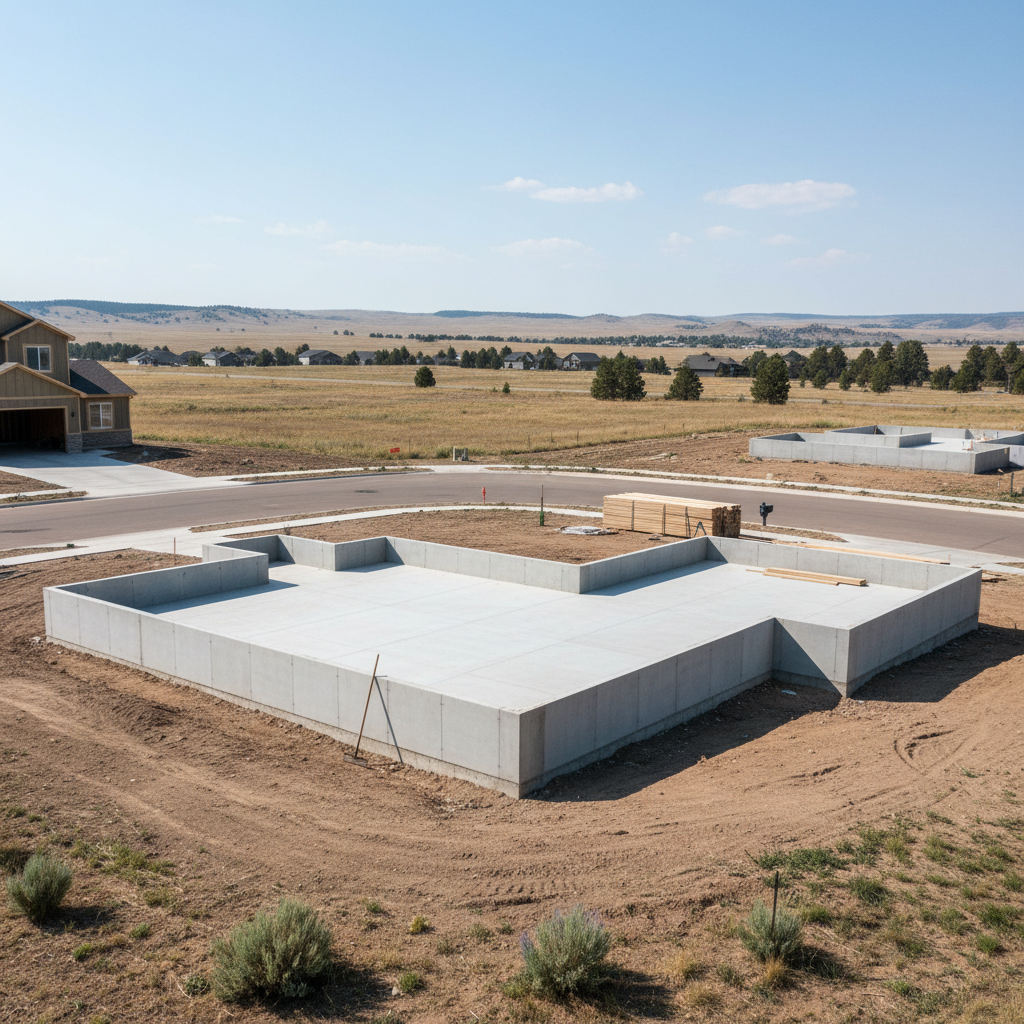
Ever wonder why some foundations here in Billings seem to last forever, and others crack up way too soon? It's not always about the concrete mix itself, though that's a big part of it. A lot of it comes down to understanding what's going on underneath that concrete slab, and what Mother Nature throws at it year after year.
I've been pouring foundations and working with concrete all over this town for years. From the older homes in the South Side that might need a basement wall repair to new builds out in the Heights, every project has its own quirks. What I've learned is that generic advice just doesn't cut it when you're talking about something as critical as a foundation.
Our Unique Billings Ground Game
You know how we've got that heavy, expansive clay soil in a lot of areas around here? Especially if you're building on a lot that's been disturbed or filled, or if you're out past the Rimrocks, that soil can be a real headache if you don't plan for it. It swells when it gets wet and shrinks when it dries out, and that movement puts a ton of stress on a foundation. You can't just dig a trench and pour. You need to know about proper compaction, maybe even some specific drainage solutions, or what kind of rebar grid will actually hold up to that kind of pressure over decades.
Then there's the freeze-thaw cycle we deal with. Our winters are no joke, and the ground freezes deep. If your foundation isn't dug below the frost line – which is typically 48 inches around here, but can vary – you're asking for trouble. Frost heave can lift and crack even the strongest concrete. We've seen it happen. A good contractor isn't just guessing; they're following established local practices and codes that are designed to combat these very specific Montana challenges.
Common Projects & Local Needs
We see all sorts of foundation work around here. Maybe you're adding a garage to your place in West End, or putting in a new shop out in Ballantine. Perhaps you're building a brand-new custom home up on the Rims. Each of these projects has different requirements, but they all share one thing: they need a solid foundation that's built for Billings.
- New Home Foundations: This is where you really can't cut corners. We're talking about the base of your entire structure. Getting the footings right, the rebar placement, the concrete mix for our climate – it's all critical. We're often dealing with engineers on these, and we need to be able to execute their plans precisely while adapting to site conditions.
- Garage or Shop Slabs: These might seem simpler, but they still need to be robust. You're going to be driving vehicles on them, maybe storing heavy equipment. They need proper sub-base prep and expansion joints to handle the weight and temperature swings.
- Foundation Repairs: Sometimes, you're not building new, but fixing old. Maybe a wall in an older downtown basement is bowing, or you've got significant cracking. Understanding why it's failing – often due to those expansive soils or poor drainage from decades ago – is the first step. Then, we can recommend the right fix, whether it's underpinning, carbon fiber straps, or a new drainage system.
Why Local Expertise Matters More Than You Think
You can call up a big national chain, or someone who just moved here, but they won't have the same institutional knowledge about Billings that a local crew does. We know the building inspectors, we know the common soil reports for different parts of town, and we've got decades of experience seeing what works and what doesn't work in our specific conditions.
For example, if you're building near the Yellowstone River, you might have different water table considerations than if you're up on the benches. We've poured foundations in both spots and know what to look for. We're not just reading a manual; we're drawing on real-world experience right here in our community.
When you hire a local company like Top Line Concrete, you're not just getting a crew that knows how to pour. You're getting a team that understands the nuances of building in Billings, Montana. We're invested in this community because we live here too. We're going to be here tomorrow, and ten years from now, standing by the work we do. Don't underestimate the value of that local connection when it comes to something as fundamental as your foundation.