Timing Your Concrete Project in Billings: It's All About the Weather
You're probably wondering, when's the best time to pour concrete around here? It's a fair question, and honestly, it's the first thing I consider when a client calls. In Billings, our weather dictates pretty much everything, and concrete is no exception. You can't just pour whenever you feel like it and expect it to last. The ideal window for pouring concrete is when temperatures are consistently above freezing, both during the day and overnight, and not scorching hot either.
Spring and fall are generally your best bets. Once the ground thaws out completely in spring, usually late April through June, that's prime time. The ground temperature is stable, and you're not fighting extreme heat or cold. Then again in the fall, from September through October, before the deep freezes set in. We've got those warm days and cool nights, which lets the concrete cure slowly and strongly. Pouring in the dead of winter? Forget about it. The cold can cause the water in the mix to freeze before it properly hydrates, leading to weak, brittle concrete that'll crack faster than you can say 'frost heave.' And pouring in the peak of summer, when it's 90 degrees plus for days on end, means the water evaporates too quickly, also weakening the mix and causing surface cracks.
What Our Billings Climate Does to Concrete
Our unique climate here in Billings, with its wild temperature swings and freeze-thaw cycles, is tough on concrete. You've got to understand that concrete isn't just a solid slab; it's a porous material. Water gets in, and when it freezes, it expands. That expansion puts immense pressure on the concrete from the inside out. Do that over and over, and you get spalling, cracking, and eventual breakdown. This is especially true for driveways and patios that see a lot of moisture and direct exposure.
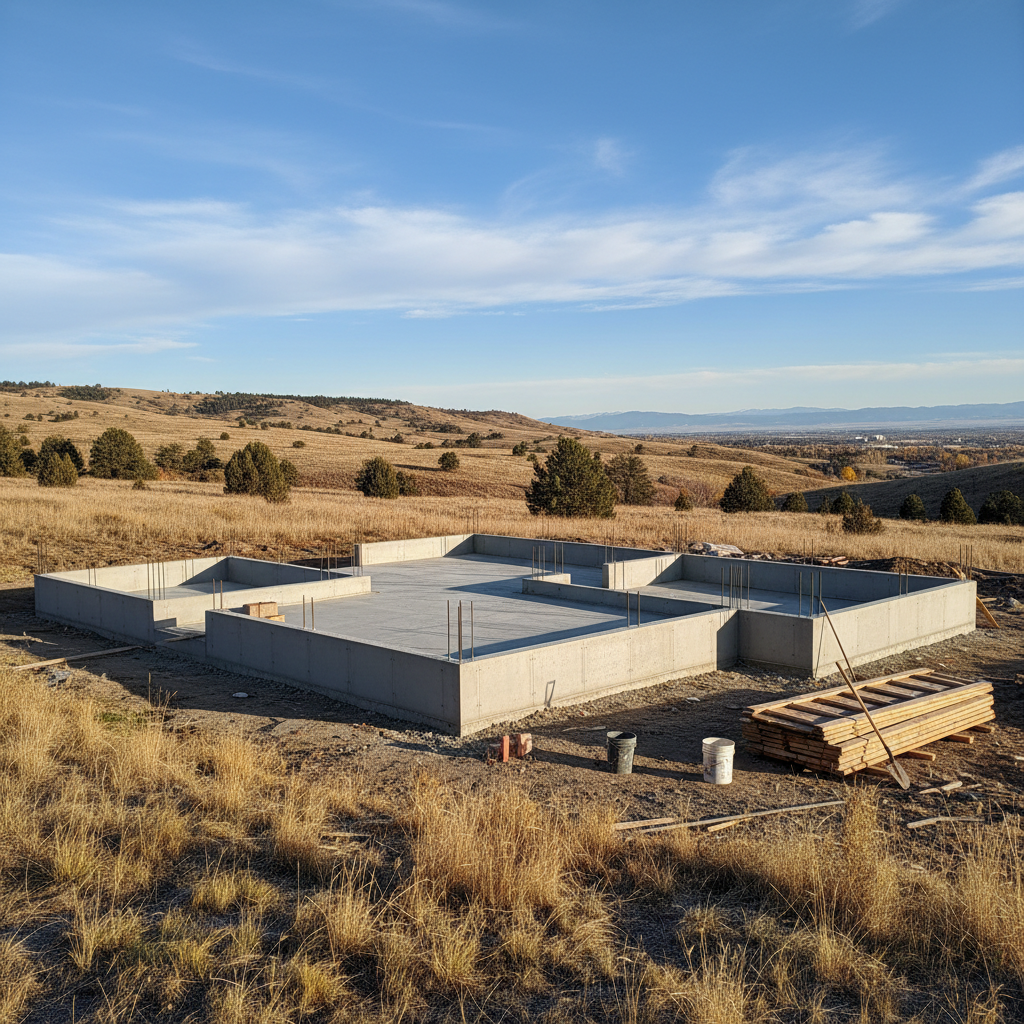
We also deal with expansive clay soils in many parts of Billings, particularly in older neighborhoods like the Heights or the West End. These soils swell when wet and shrink when dry, which can put a lot of stress on foundations and slabs if they aren't properly prepared or reinforced. I've seen plenty of foundations shift because of this. It's why proper site preparation, including good drainage and sometimes even soil stabilization, is just as critical as the concrete pour itself.
Protecting Your Concrete Investment Year-Round
So, you've got good concrete, or you're planning to get some. How do you make sure it lasts? It's not just about the pour; it's about ongoing care. Here's what I tell all my clients:
- Seal it up: This is probably the most important thing you can do. A good quality penetrating sealer applied every few years creates a barrier that keeps water and de-icing salts from soaking in. It's like sunscreen for your concrete. You wouldn't go out in the sun without it, right? Don't let your concrete face winter without a sealer.
- Mind the drainage: Make sure water is always flowing away from your foundation and any concrete slabs. Check your gutters and downspouts. Extend them if needed so water isn't pooling next to your house. Grading around your home should slope away from the foundation. Poor drainage is a silent killer of concrete.
- Be careful with de-icers: While salt melts ice, many de-icing chemicals are really harsh on concrete. They can accelerate that freeze-thaw damage. If you must use something, look for products that are concrete-safe, often those with calcium magnesium acetate (CMA) or potassium chloride. Shoveling early and often is always your best bet.
- Address cracks quickly: Small cracks happen. It's concrete. But don't ignore them. If you see cracks forming, especially in your foundation, get them looked at. Water gets into those cracks, freezes, expands, and makes them bigger. Sealing them up can prevent much more expensive repairs down the line.
At Top Line Concrete, we've been working with concrete in this climate for years. We know what works and what doesn't. Investing in quality concrete and taking care of it properly means you won't be dealing with costly repairs or replacements down the road. It's all about understanding our local conditions and being proactive. If you've got questions about your concrete or need a hand with a project, don't hesitate to give us a call. We're here to help you make smart choices that last.