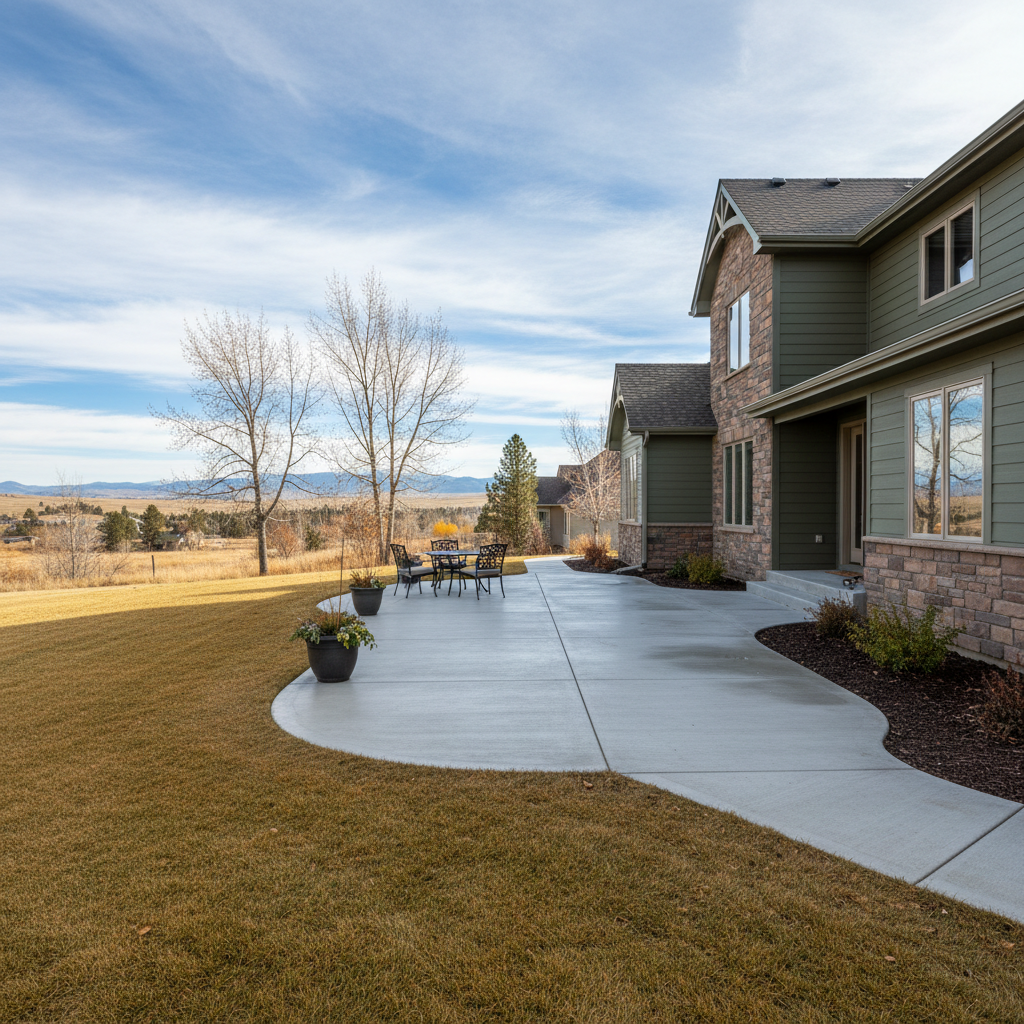
When's the best time to pour concrete in Billings? That's a question I get a lot, and for good reason. Our Montana weather isn't exactly predictable, and it makes a big difference for any concrete flatwork you're planning, whether it's a new driveway, a patio, or just some sidewalk repairs.
Understanding Billings' Seasons and Your Concrete
You can't just pour concrete whenever you feel like it and expect it to last. Concrete needs specific conditions to cure properly, and our temperature swings here in Billings can be brutal. You've got to think about more than just the daytime high.
- Spring (April-May): This can be a tricky time. We often get those warm, sunny days that make you think summer's here, but then a cold snap or a late snowstorm hits. The ground can still be frozen deep down, even if the surface feels warm. Pouring on frozen ground is a big no-no; it can lead to cracking and uneven settling later on. We're also watching for heavy rains that can wash out a freshly prepped site or affect the concrete mix.
- Summer (June-August): This is usually prime time for concrete work around here. The ground is warm, and we generally have consistent temperatures. The biggest challenge in summer is heat. When it gets really hot, especially those 90-degree days we see in July and August, concrete can dry too fast. That rapid drying can lead to surface cracks, which are called plastic shrinkage cracks. We counteract this by using curing compounds, adding retarders to the mix, or even pouring early in the morning before the sun really beats down. Proper curing is absolutely critical in the summer to ensure strength and durability.
- Fall (September-October): Early fall can be fantastic for concrete. The temperatures are usually mild, and the ground is still warm from summer. You get good curing conditions without the extreme heat. However, as we get deeper into October, those overnight lows start to drop. You've got to be careful about frost. If concrete freezes before it's had enough time to cure and gain strength, it's going to be weak and prone to spalling. We'll often use blankets or insulated covers to protect fresh pours if there's a risk of freezing temperatures.
- Winter (November-March): Generally, we don't pour concrete in the dead of winter here in Billings. It's just too cold, and the risks are too high. The ground is frozen solid, and keeping the concrete from freezing before it cures is an uphill battle. It's not worth the risk of a compromised slab. This is when we're usually doing prep work for spring, planning out projects, or handling indoor concrete jobs.
What Weather Conditions Really Matter?
It's not just about the thermometer reading. Here's what we, at Top Line Concrete, are always keeping an eye on:
- Temperature: Both air and ground temperature are crucial. Ideally, you want consistent temperatures between 40°F and 80°F for the first few days after the pour. Below 40°F, the concrete cures too slowly, and above 80°F, it can dry too fast.
- Wind: High winds can accelerate surface drying, especially on hot days, leading to those shrinkage cracks I mentioned. We might use windbreaks or apply curing compounds sooner.
- Rain: A light drizzle isn't usually a deal-breaker once the concrete is placed and finished, but heavy rain can ruin a fresh pour by diluting the mix and washing out the cement paste. We're constantly checking the forecast.
- Humidity: Low humidity, especially combined with heat and wind, can also speed up drying.
Protecting Your Concrete Investment Year-Round
Once your concrete is in, you want it to last. Here's what you can do:
- Proper Curing: This is on us during installation, but it's the most important step for long-term durability. We use curing compounds or keep the concrete moist for several days to ensure it reaches its maximum strength.
- Sealing: I can't stress this enough for Billings homeowners. Our freeze-thaw cycles are brutal on concrete. A good quality penetrating sealer applied every 2-3 years (depending on traffic and exposure) will protect your concrete from water absorption, de-icing salts, and general wear and tear. It's like sunscreen for your concrete.
- Avoid De-Icing Salts: If you can help it, don't use rock salt (sodium chloride) on your concrete, especially new concrete. It can cause spalling and surface damage. Sand is a better option for traction. If you must use a de-icer, look for products that are concrete-safe, usually calcium chloride or magnesium chloride in moderation.
- Clean Regularly: Sweep off debris, leaves, and dirt. Don't let organic matter sit and stain the surface. For oil or grease, clean it up quickly.
- Address Cracks Promptly: Minor hairline cracks are normal in concrete, but if you see larger cracks developing, especially in areas like the Heights where expansive clay soils can cause movement, it's a good idea to get them looked at. Sealing them can prevent water from getting in and freezing, which makes cracks worse.
Ultimately, getting your concrete done right in Billings means respecting the weather. Planning your project during the optimal windows, usually late spring through early fall, gives you the best chance for a beautiful, long-lasting result. If you've got questions about your specific project or want to talk timing, give us a call at Top Line Concrete. We're always happy to share what we know.