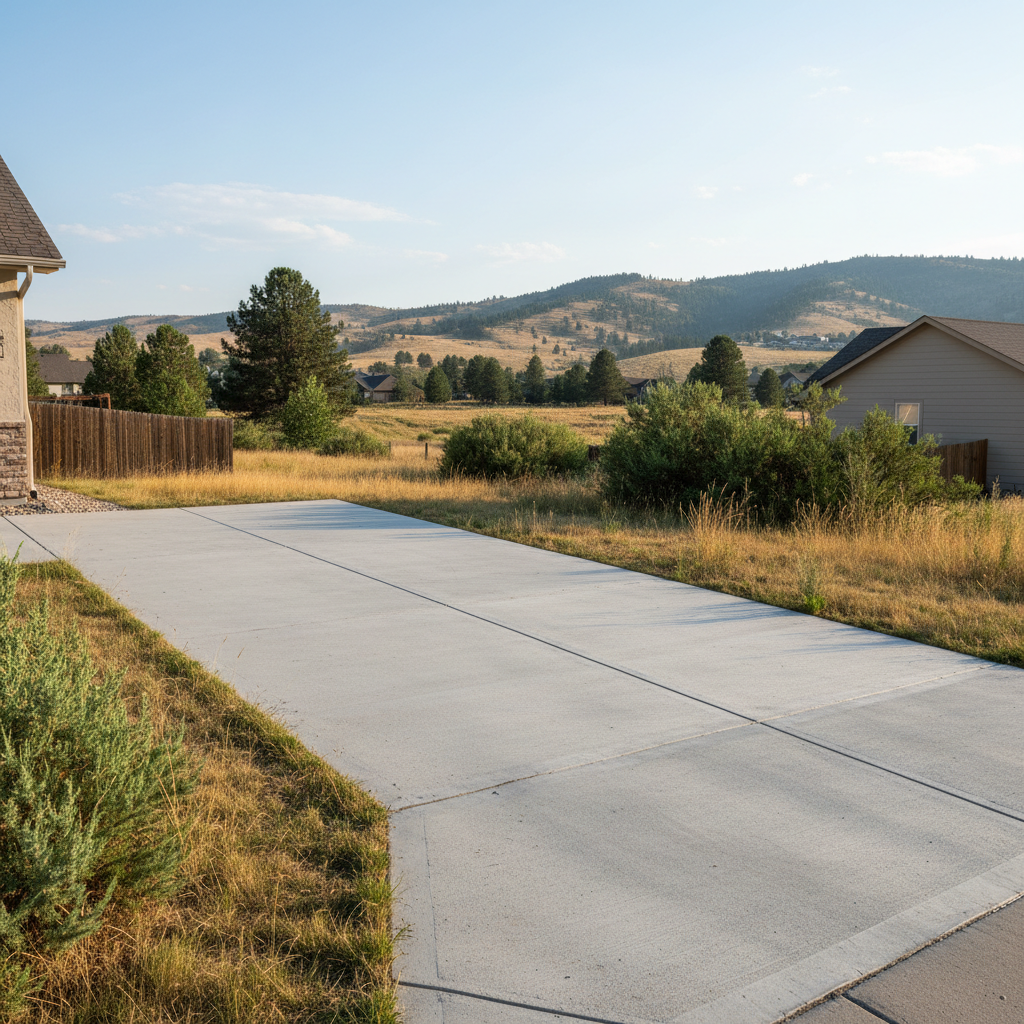
So, you got that concrete fixed. Now what?
Getting your concrete repaired—whether it's a cracked driveway, a sinking patio, or a damaged sidewalk—is an investment, right? You want that fix to last, especially with the kind of weather we get here in Billings. I've seen plenty of good repairs go bad because folks don't take care of them afterward. It's not exactly rocket science, but there are some simple things you can do to make sure your concrete repair holds up for years, not just months.
First off, think about what concrete really goes through here. We're talking about brutal temperature swings – scorching summers, freezing winters, and that freeze-thaw cycle that just loves to wreak havoc on anything porous. Then you've got the heavy snow, the de-icers, and sometimes, even the expansive clay soils we've got around areas like the Heights can put extra stress on things. It's a tough environment, no doubt about it, so your maintenance plan needs to be tougher.
Extending the Life of Your Concrete Repair
The biggest thing you can do to protect any concrete, especially a repaired section, is to keep water out. Water is concrete's worst enemy, particularly when it freezes. When water seeps into tiny cracks or pores and then freezes, it expands, pushing the concrete apart. This is called the freeze-thaw cycle, and it's a killer here in Montana.
- Seal it up: A good quality penetrating sealer is your best friend. After a repair, give it some time to cure properly (your contractor should tell you how long, but usually it's a few weeks). Then, put on a high-quality concrete sealer. This creates a barrier that repels water and makes it harder for moisture to get in. You'll want to reapply this every 2-3 years, depending on the product and how much abuse your concrete takes. Think of it like waxing your truck – it protects the finish.
- Proper drainage: Make sure water isn't pooling on or near the repaired area. If you've got a downspout dumping water right next to a patio slab, extend it. If your driveway slopes towards your garage, check that the drainage system is actually working. Standing water will find its way into any crack, no matter how small.
- Avoid harsh chemicals: When winter hits, everyone wants to melt that ice. But be careful with de-icing salts. Calcium chloride and magnesium chloride are generally better than rock salt (sodium chloride), which can be really aggressive on concrete. Better yet, use sand for traction or just good old-fashioned shoveling. If you do use de-icers, use them sparingly and rinse the area thoroughly once the weather warms up.
Regular Maintenance: What You Should Be Doing
Keeping an eye on your concrete isn't a full-time job, but a little regular attention goes a long way.
- Sweep and clean: Keep the surface clean of dirt, leaves, and debris. This prevents organic matter from breaking down and staining the concrete, and it also helps you spot problems earlier. A good power washing every year or two can also help, but be careful with the pressure, especially on older or repaired sections.
- Check for new cracks: Walk around your property regularly, especially after big temperature swings or heavy precipitation. Look for any new hairline cracks forming or existing cracks getting wider. Catching these early can prevent them from becoming major headaches.
- Address vegetation: Weeds and grass can grow up through cracks, and their roots can expand, making the problem worse. Pull them out promptly. If you have trees or large shrubs near concrete, be aware that their roots can also cause lifting and cracking over time.
Warning Signs: When to Pay Closer Attention
Your concrete will usually give you clues before things get really bad. Don't ignore these signals:
- New or expanding cracks: This is the most obvious one. If a crack you had repaired starts opening up again, or if you see new cracks appearing nearby, it's a sign something's not right.
- Uneven surfaces or sinking: If a section of your concrete starts to sink or heave, creating an uneven surface, that's a big red flag. This often points to issues with the soil underneath, like erosion or settlement.
- Flaking or spalling: This is when the surface of the concrete starts to chip, peel, or flake off. It's usually caused by water penetration and freeze-thaw cycles, or sometimes by poor quality concrete or finishing. It weakens the surface and exposes the interior to more damage.
- Discoloration or efflorescence: While not always a structural problem, persistent white powdery residue (efflorescence) can indicate that water is constantly moving through your concrete.
When to Call a Professional (Like Top Line Concrete)
Look, some things you can handle yourself. A little crack sealant, a fresh coat of sealer – that's homeowner stuff. But there are times when you absolutely need to call in the pros. Don't wait until a small problem becomes a massive, expensive one.
- Cracks wider than a quarter-inch: If you can stick a pencil in it, it's probably too big for a DIY patch to hold long-term.
- Significant sinking or heaving: This means there's a problem with the sub-base, and that requires specialized equipment and knowledge to fix properly. We're talking about things like mudjacking or full slab replacement, not just a patch.
- Extensive spalling or crumbling: If large areas of your concrete are flaking off or crumbling, the integrity of the slab might be compromised. A professional can assess whether it's repairable or needs replacement.
- Repeated problems in the same spot: If you keep patching a crack and it keeps coming back, there's an underlying issue that needs to be addressed by someone who understands concrete and soil mechanics.
- Anytime you're unsure: Honestly, if you're looking at a problem and you're not confident you know what's causing it or how to fix it right, just call us. It's better to get an expert opinion early than to mess it up and pay more later. We're happy to come out, take a look, and give you an honest assessment. That's what we do at Top Line Concrete – we help Billings homeowners keep their concrete strong.