What's the absolute most important thing for new concrete to last?
Hands down, it's the prep work. You can have the best concrete mix, the best finishers, but if the ground underneath isn't right, you're going to have problems. I've seen it time and again. We're talking about proper subgrade compaction and a good, consistent base. Here in Billings, with our expansive clay soils in some areas, especially around the Heights or out towards Shepherd, you really can't cut corners on this. If that ground isn't stable and well-drained, you'll get settling, cracking, and all sorts of headaches down the road. We make sure the base is solid, level, and ready to support that concrete for decades. It's not the flashy part of the job, but it's the foundation of a good job, literally.
How long does it really take for new concrete to be ready for use?
This is a common one, and the answer isn't a simple number of hours. You'll hear 24 hours for light foot traffic, and that's generally true. You can usually walk on it the next day without issue. But for anything heavier, like parking your truck on a new driveway, you're looking at more like 7 days, sometimes even longer depending on the mix and the weather. Concrete cures over time, gaining strength as it goes. It reaches about 70% of its strength in that first week, but it keeps getting stronger for weeks, even months. I always tell folks to be patient. Rushing it can cause permanent damage, like tire marks or cracks, that you just can't fix. It's a long-term investment, so give it the time it needs.
Do I need rebar or mesh in my concrete slab?
Yes, you absolutely do. For almost any exterior concrete slab around your home – a patio, driveway, sidewalk – you need some kind of reinforcement. Think of it this way: concrete is super strong in compression, meaning it can handle a lot of weight pushing down on it. But it's not great at handling tension, which is what happens when it tries to pull apart. That's where rebar (steel reinforcing bars) or wire mesh comes in. It holds the concrete together, especially if it cracks. It doesn't prevent cracking entirely, nothing does, but it keeps those cracks tight and prevents them from spreading or becoming trip hazards. For driveways, we're almost always using rebar. For patios or sidewalks, often mesh is sufficient, but it really depends on the expected load and the ground conditions. It's cheap insurance against bigger problems.
What's the deal with control joints? Are they really necessary?
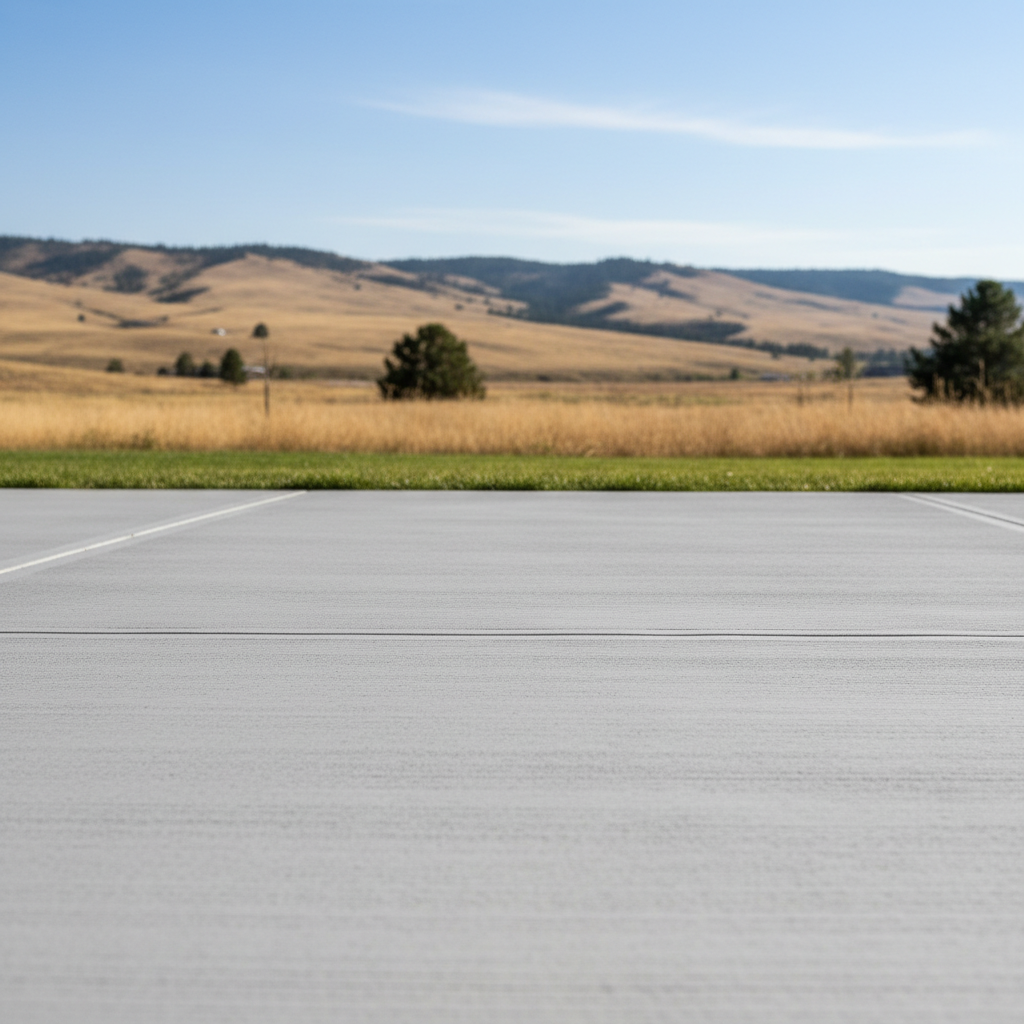
Oh yeah, they're necessary. Control joints, sometimes called saw cuts or expansion joints, are probably one of the most misunderstood parts of concrete work. Concrete shrinks as it dries and cures, and it expands and contracts with temperature changes. This movement creates stress. If you don't give that stress a place to go, the concrete will crack randomly. Control joints are essentially planned, weakened lines in the concrete that encourage it to crack neatly along those lines, where you want it to. We cut them into specific patterns to manage that stress. Without them, you'd have a spiderweb of ugly, unpredictable cracks. It's not about preventing cracks; it's about controlling where they happen, making them less noticeable and structurally sound. We typically cut them within 24 hours of pouring, once the concrete is strong enough to walk on but still green enough to cut cleanly.
How do I protect my new concrete from Billings' harsh winters?
Billings winters are no joke, right? The freeze-thaw cycles we get, especially when it's warm enough for snow to melt and then refreeze overnight, are brutal on concrete. The best thing you can do is let your concrete cure fully before winter hits. Ideally, you want it poured in the spring, summer, or early fall. Once it's cured, a good quality penetrating sealer is your best friend. It helps repel water, which is the main culprit in freeze-thaw damage. Avoid de-icing salts, especially rock salt (sodium chloride), on new concrete for at least the first winter, and ideally forever. Those salts are corrosive and can cause spalling and pitting. If you absolutely need to de-ice, use sand or a calcium chloride product sparingly, but honestly, just shoveling promptly is your best bet. Top Line Concrete always recommends sealing your concrete after it's fully cured to give it the best chance against our weather.
Can I add color or a special finish to my concrete?
Absolutely! Plain gray concrete is fine, but there are tons of options to make your concrete really stand out and complement your home. We do a lot of stamped concrete around here – it can mimic brick, stone, or even wood, and it looks fantastic on patios and walkways. We've done some beautiful stamped patios in the West End that really elevate the whole backyard. Then there's exposed aggregate, which gives you a textured, natural stone look. You can also add integral color to the concrete mix itself, so the color goes all the way through, or use color hardeners on the surface. Each option has its own look and maintenance considerations, but we can walk you through them and show you examples. It's a great way to personalize your outdoor spaces.
What kind of ongoing maintenance does concrete need?
Once your concrete is in and cured, it's pretty low maintenance, but it's not 'set it and forget it' entirely. The biggest thing is keeping it clean. Sweep off debris regularly, especially in the fall with leaves, to prevent staining. If you spill something like oil or grease, clean it up quickly before it has a chance to soak in. Pressure washing once a year or so can do wonders, but be careful not to use too high a pressure setting, especially on decorative finishes, or you could damage the surface. And as I mentioned earlier, resealing every few years is a smart move, especially for exterior concrete exposed to our Billings weather. It helps protect against moisture, stains, and those tough freeze-thaw cycles. Think of it like painting your house – it needs a fresh coat every now and then to keep it looking good and performing its best.