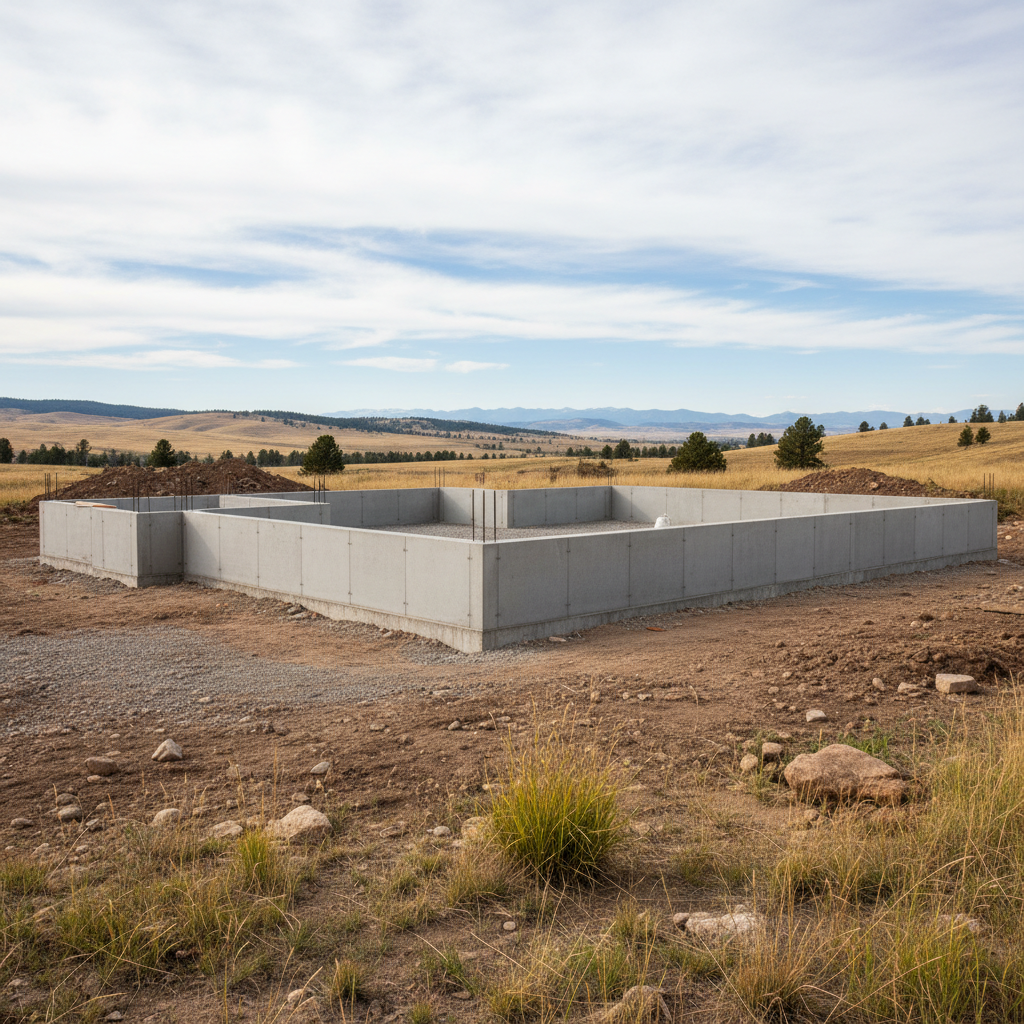
Ever wonder why your neighbor's concrete driveway looks great after 20 years, but yours is cracking after five? A lot of it comes down to our unique Billings weather and how you treat your concrete. I've been pouring and repairing concrete foundations around here for a long time, and I've seen it all. Let me tell you what you need to know to protect your investment.
When's the Best Time to Pour Concrete in Billings?
This is probably the most common question I get. Everyone wants their new patio or foundation done yesterday, but with concrete, timing is everything, especially in Montana. You're looking for that sweet spot: not too hot, not too cold, and definitely not too windy.
Generally, I tell folks to aim for late spring, summer, and early fall. Think May through October. Why then? Well, concrete cures best when temperatures are consistently above freezing, ideally between 50 and 80 degrees Fahrenheit. If it's too cold, the water in the mix can freeze, expanding and causing cracks before the concrete even has a chance to gain strength. That's a mess you don't want.
On the flip side, if it's too hot and dry, the water evaporates too quickly. This can lead to rapid drying, which means surface cracks and a weaker slab. We've got plenty of those hot, dry, windy days in July and August, so we have to be extra careful with curing during those times. That often means keeping the concrete wet for longer, sometimes for days, to ensure it cures properly.
So, if you're planning a big project, start thinking about it in the winter. Get your bids, get on the schedule. That way, when the weather breaks in spring, you're ready to go and can hit that ideal window.
How Our Billings Weather Impacts Concrete Work
It's not just temperature; it's everything. Our freeze-thaw cycles are brutal on concrete. Water gets into tiny cracks, freezes, expands, and makes those cracks bigger. That's why proper drainage around your foundation is critical. You don't want water pooling up against your house.
Then there's the wind. Man, can it blow in Billings! High winds can dry out the surface of fresh concrete too fast, leading to what we call plastic shrinkage cracking. We've got ways to combat that, like using curing compounds or covering the slab, but it's another factor we're always battling.
And let's not forget our soil. We've got a lot of expansive clay soils around here, especially in areas like the Heights. When those soils get wet, they swell, and when they dry out, they shrink. This constant movement can put a lot of stress on foundations. That's why proper compaction and sometimes even specialized foundation designs are so important for new builds around here.
Protecting Your Concrete Investment Year-Round
Okay, so you've got a good foundation or a nice new patio. How do you keep it looking good and performing well for decades? A little maintenance goes a long way.
- Keep it Clean: Sweep off debris regularly. Don't let leaves and dirt sit and hold moisture against the concrete.
- Seal It: This is huge. A good quality concrete sealer, applied every few years, acts like a shield. It repels water, oil, and other stains, and it helps protect against those damaging freeze-thaw cycles. I can't stress this enough. It's like sunscreen for your concrete.
- Manage Water: Make sure your gutters are clean and downspouts direct water away from your foundation, at least 6 feet out. Grade the soil around your house so it slopes away from the foundation. You want water to run *away*, not *towards* your home.
- Address Cracks Early: Small cracks can become big problems. If you see minor cracks, especially in a driveway or patio, get them sealed. It prevents water from getting in and making things worse. For foundation cracks, don't wait. Call a pro like us at Top Line Concrete to assess it. Sometimes it's cosmetic, sometimes it's a sign of a bigger issue.
- Be Careful with De-icers: Many de-icing salts, especially those containing ammonium nitrate or ammonium sulfate, can be really harsh on concrete. Use sand for traction or de-icers specifically labeled as concrete-safe.
Look, your concrete foundation is literally the base of your home. Taking care of it means taking care of your biggest investment. If you've got questions or see something that doesn't look right, don't hesitate to give us a call. We're always happy to take a look and give you an honest opinion.