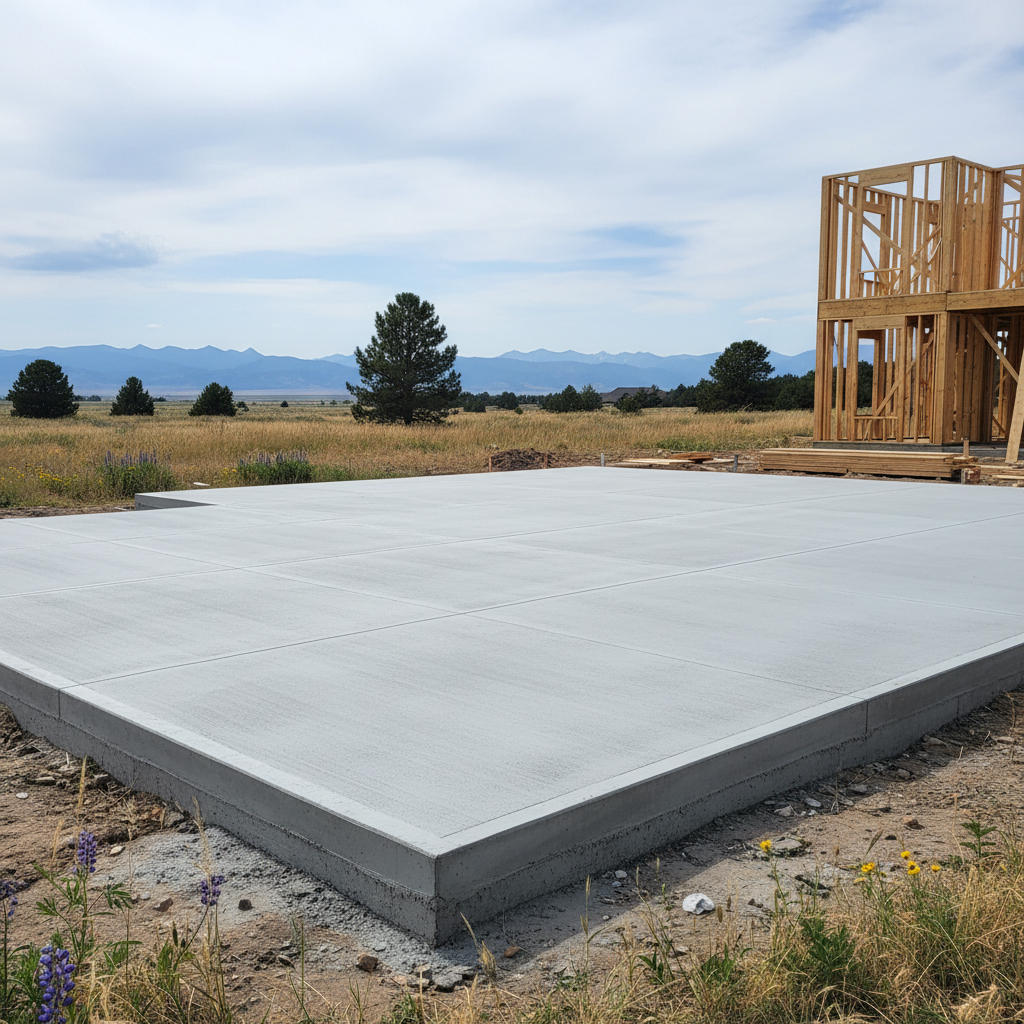
Protecting Your Foundation: A Billings Homeowner's Guide
Let's talk about your home's foundation for a minute. It's not the flashiest part of your house, sure, but it's easily the most important. I mean, it literally holds everything up! Here in Billings, with our wild temperature swings, heavy snows, and sometimes even expansive clay soils, that foundation really takes a beating. Want to extend its life? It's not rocket science, but it does take a little attention.
First off, water is your foundation's worst enemy. Period. I've seen countless issues that trace back to improper drainage. You absolutely need to make sure water is always flowing away from your house, not pooling around the foundation walls. Check your gutters and downspouts. Are they clean? Are they extended at least six feet away from the foundation? If not, fix it. Seriously, that's step one. Also, make sure your landscaping slopes away from the house. If you've got flowerbeds right up against the foundation that create a nice little trench for water to sit in, you're just asking for trouble. Regrade that soil so it slopes away.
Regular Maintenance You Can Do
You don't need to be a concrete expert to do some basic maintenance. It's mostly about observation and keeping things clean, really.
- Keep it Clean: Sweep away dirt, leaves, and debris from around the foundation. This stops organic matter from holding moisture right up against the concrete.
- Seal Small Cracks: If you spot small, hairline cracks (we're talking less than 1/8 inch wide), you can often seal these yourself with a good quality concrete sealant. This keeps water out and prevents them from getting bigger. Don't ignore them, okay?
- Check for Erosion: After heavy rains or snowmelt, take a walk around your house. Are there spots where the soil has washed away, exposing more of the foundation? Fill those in and make sure the grade is still sloping away from the house.
- Monitor Landscaping: Tree roots can cause problems if they're too close to the foundation. They might draw moisture unevenly from the soil, causing movement, or even directly push against the concrete. Keep an eye on any large trees or shrubs planted right next to your house.
These simple steps can save you a ton of money down the road. Trust me, I've seen the repair bills when folks ignore these things for too long.
Warning Signs of Bigger Problems
Now, not everything is a DIY fix. There are some signs that tell you it's time to call in a professional, like us at Top Line Concrete. Don't panic if you see these, but definitely don't ignore them either.
- Large Cracks: Any crack wider than 1/8 inch, or one that's growing, is a red flag. Especially look for horizontal cracks, stair-step cracks in block foundations, or cracks that run diagonally from corners of windows or doors.
- Uneven Floors: If you notice your floors are slanting, or doors and windows are sticking or not closing properly, that's a strong indicator of foundation movement.
- Bowing Walls: In basements or crawl spaces, if you see the concrete walls pushing inward, or developing a noticeable bulge, that's serious.
- Water in the Basement/Crawl Space: Any persistent moisture, standing water, or damp spots on your foundation walls below grade is a sign that water is getting where it shouldn't be.
- Separation: Look for gaps where the foundation meets the house framing, or where exterior walls are pulling away from each other.
Our freeze-thaw cycles here in Montana are brutal on concrete. Water gets into tiny cracks, freezes, expands, and makes those cracks bigger. That's why catching these things early is so important.
When to Call a Professional
If you see any of those warning signs I just mentioned, or if you're just plain worried about something, pick up the phone. It's always better to get an expert opinion sooner rather than later. A small repair now can prevent a massive, expensive structural problem down the line. We can come out, assess the situation, and give you an honest appraisal of what's going on and what your options are. Sometimes it's a simple fix, sometimes it's more involved, but you won't know until you have someone look at it. Don't let a small issue turn into a nightmare because you waited too long.